FABRICATION /
PCB Products
Standard Rigid PCB
Reliable, low cost circuit boards

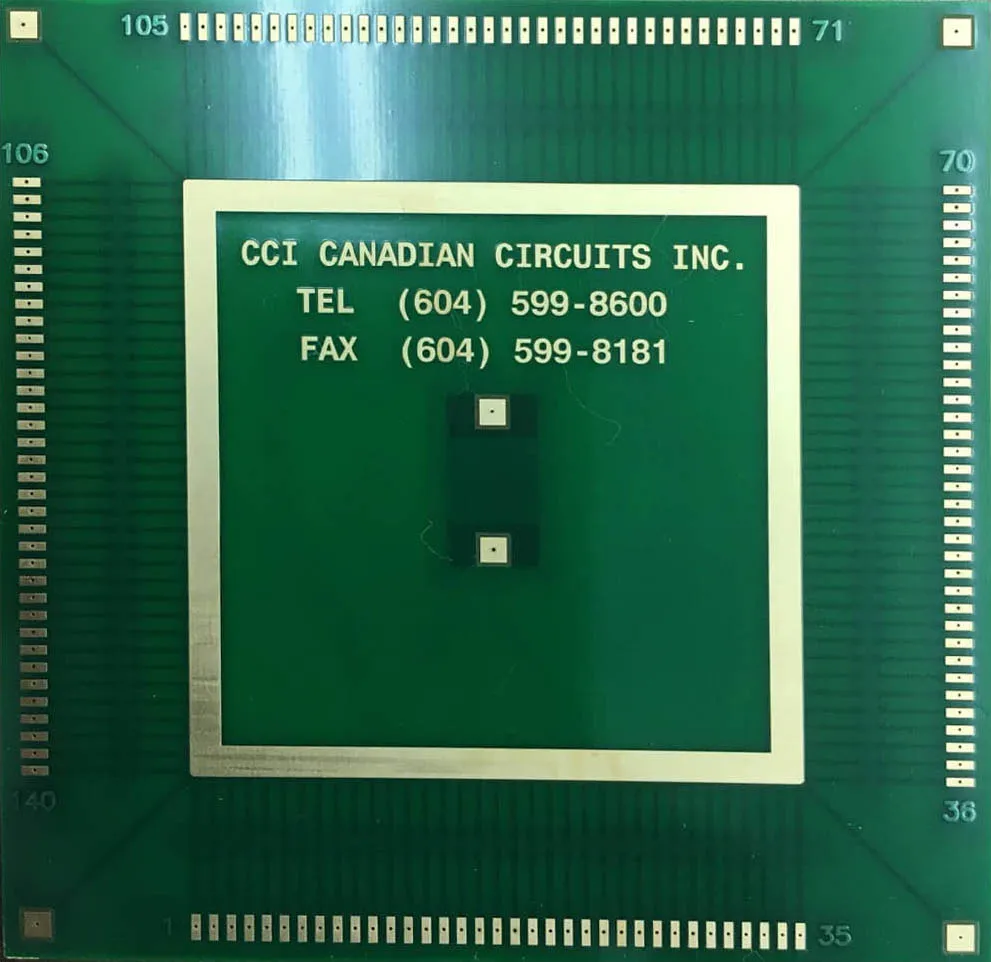
CCI Canadian Circuits offers an extensive set of capabilities when it comes to the standard PCB. This type of PCB is made from solid substrate; we use FR4 material for the Rigid PCBs. CCI Canadian Circuits has the capability to manufacture Single layer PCB, Double layer or Multilayer PCB. Rigid or Standard PCB’s are low cost, reliable and long lasting. We can manufacture 20+ layered Standard PCB/ Rigid PCB using various drill capabilities and surface finishes.
Rigid PCBs are widely used in Telecommunications, Automotive, Space Technology, Medical Equipment, and Computers, and other communication equipment that don’t need a flexible PCB. As the name suggests, Rigid PCB is does not bend it is made of FR4 which offers rigidity. A Rigid PCB has two parts – conductive copper tracks and the non-conductive substrate usually made of epoxy glass. The copper layer laminated on the substrate contains the copper tracks and components like SMD Components are added on this layer.
Electronic industry has grown phenomenally in last two decades, whether it is consumer electronics, medical devices, automotive, or space the demand for highly efficient and robust electronic components has led to transformation of circuit board manufacturing to develop flexible and smaller PCB but still the Standard or Rigid PCB has a strong presence.
Things to remember for PCB designer and engineers
- Rigid PCB offers more circuit density, it is more durable and cost effective as compared to any other type of PCB and it is still widely used in a large variety of electronic devices and equipment.
- Using Rigid PCB often results in lower weight and smaller size.
- Electronic manufacturers use Rigid PCB for devices like keyboards, computers, in fact most of the toys which have electronic components have Rigid PCB embedded within.
Quality and durability of any electronic component depends upon the quality of PCB. Therefore, quality is critical to PCB industry. There are various IPC Standards that are enforced to ensure Rigid PCB manufacturers, designers follow these baseline standards.
Some of the standards are:
- IPC-2221A, Generic Standard on Printed Board Design
- IPC-4101, Specification for Base Materials for Rigid and Multilayer Printed Boards
Multilayer PCB
Highly reliable PCB for electronic devices
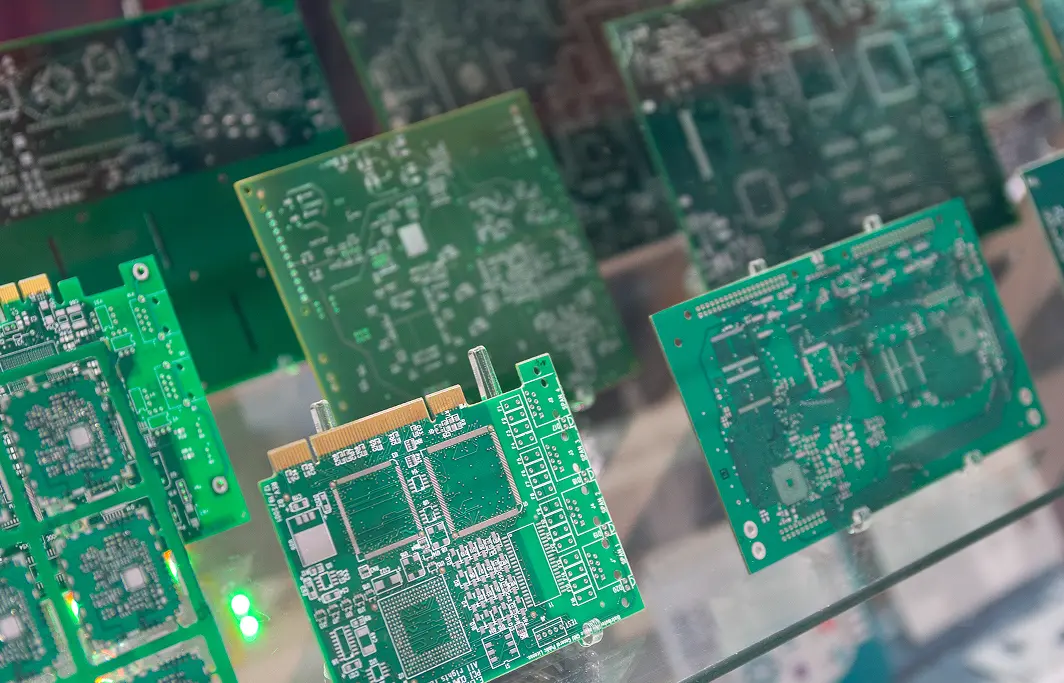
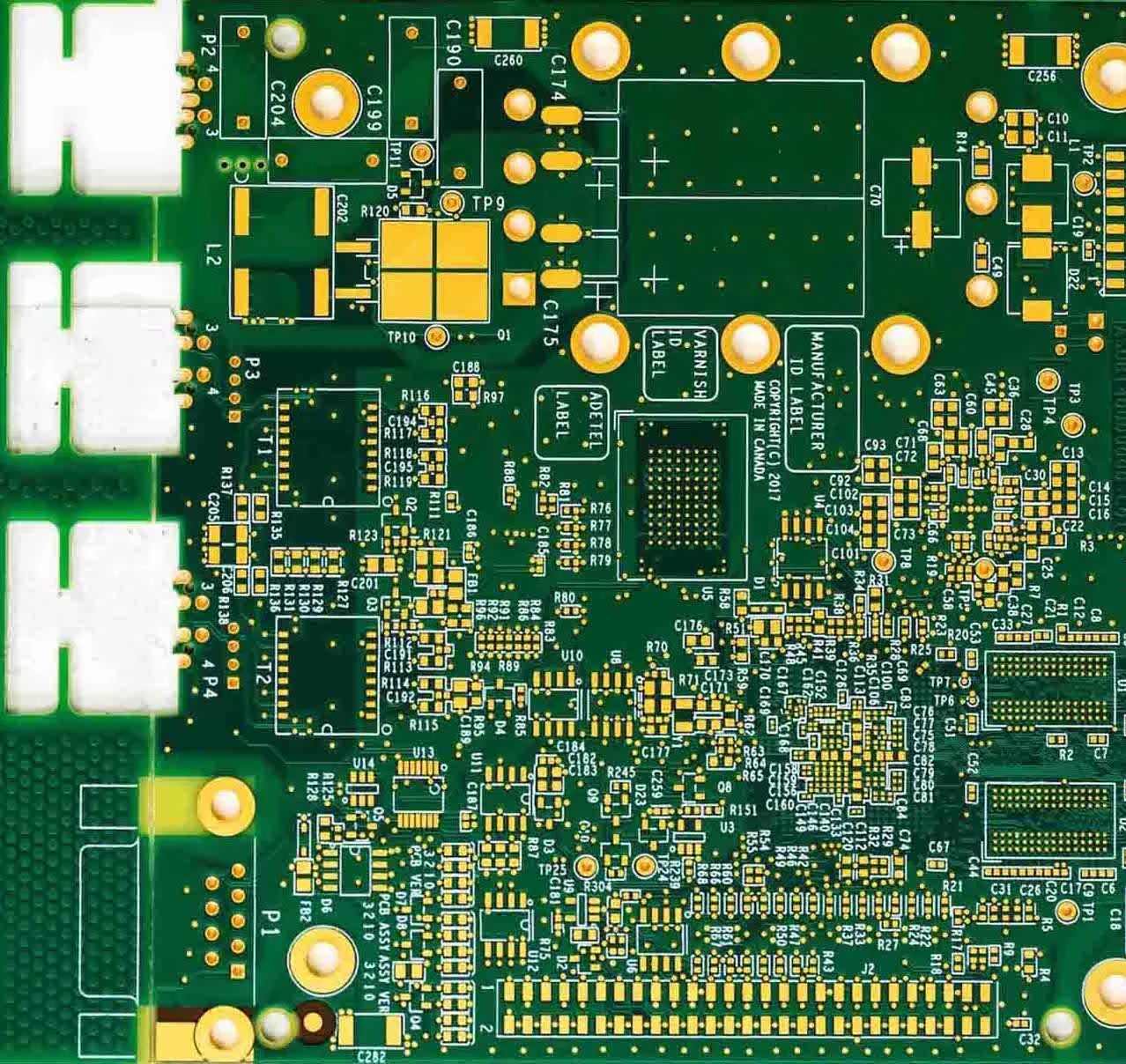
Consumer electronics is one of the major industries that drive technological innovation in the PCB industry. Over the years, PCB industry has matched the needs of the electronics industry by coming up with innovative printed circuit boards and Multilayer PCB is one such example. Multilayer PCBs are printed circuit boards with more than 2 layers which are usually used in designs that have high assembly density and space constraint.
Multilayer PCBs support device miniaturization because the circuit layers are stacked on top of each other resulting in less space and reducing the number of connectors. The circuit layers and insulation layers are tightly laminated together; individual layers can only be seen under a microscope.
To manufacture a Multilayer PCB extensive experience, advance machine and technology capabilities are required. At CCI Canadian Circuits, we have a highly experienced team that works with some of the most state-of-the-art machines, resources, and technology to manufacture Multiple layer PCBs. We have a large inventory of materials that can be used in various combinations to manufacture reliable and robust Multilayer PCB as per our customer’s needs.
HDI PCB
Higher connection density than the conventional printed circuit boards
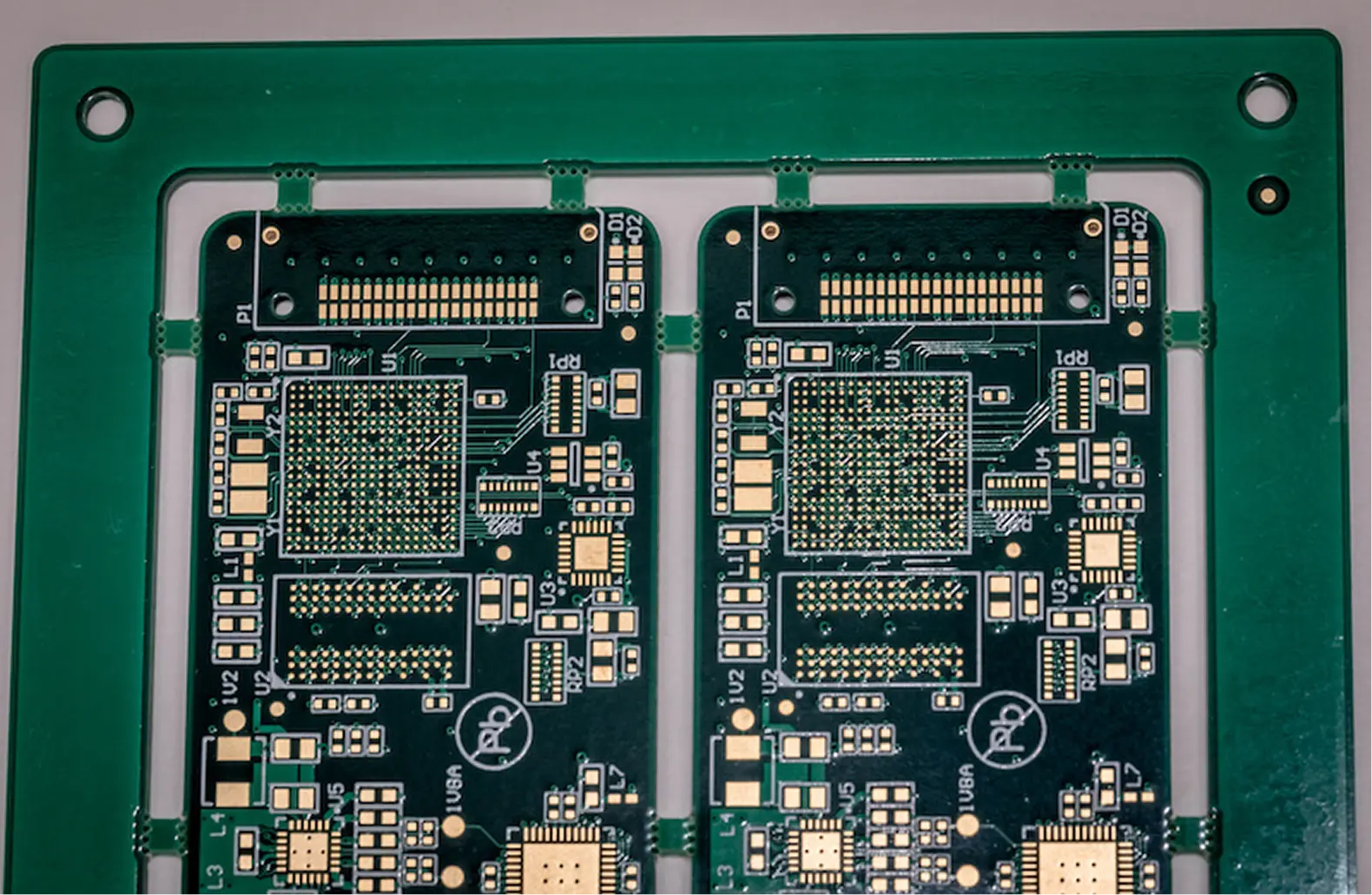
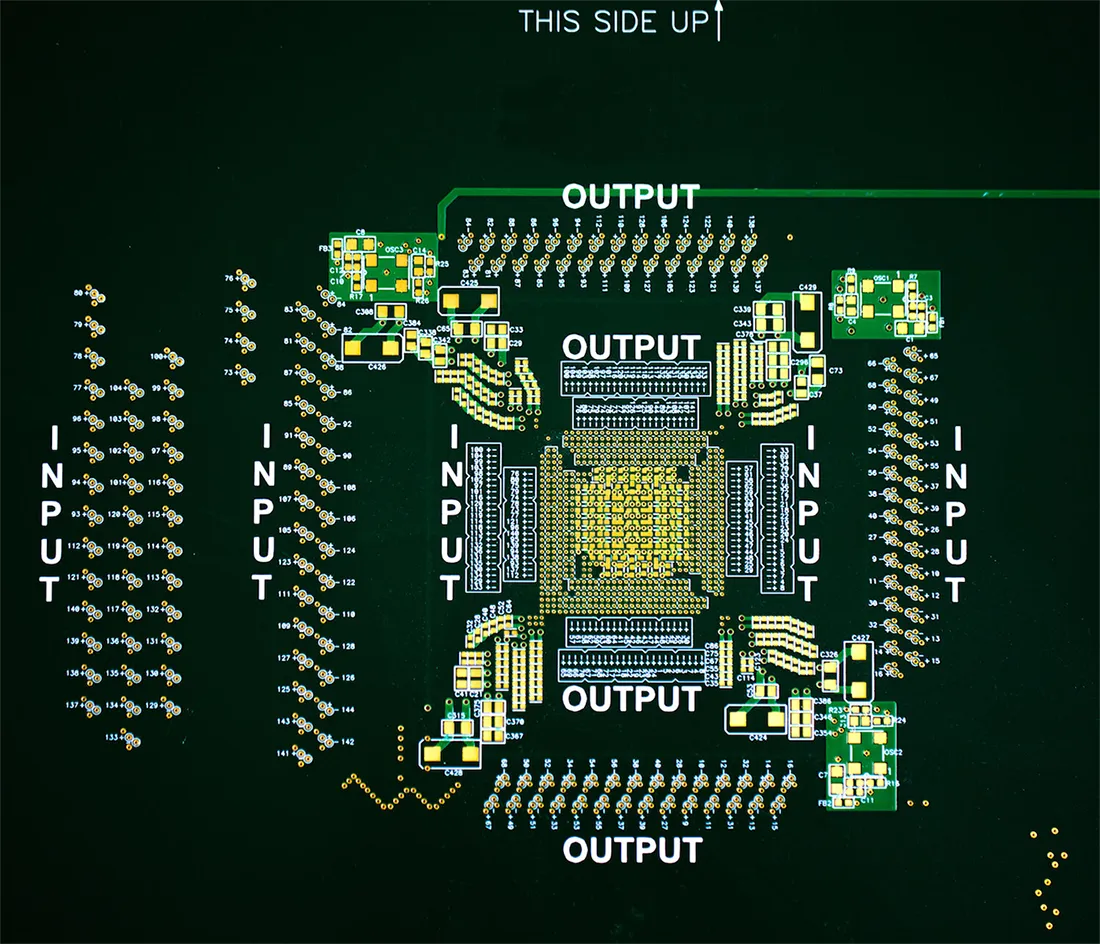
The demand for smaller and lighter PCB has fueled the rise of Higher Density Interconnect PCB technology. Factors driving the exponential growth of HDI Printed Circuit Board segment are the miniaturization of electronic devices and increased requirement for powerful and efficient devices.
HDI is a cost-effective technology. The major advantage of HDI is that it facilitates placing of surface mounted components. The layers increase but the surface area or size decreases and the resultant PCB is better in quality, efficiency, and reliability.
Our HDI Capabilities: Advance Machines and Materials for HDI
HDI boards have high density of lines which are thin, tighter, and therefore need advanced sequential lamination and laser drill imaging. We have Orbotech Paragon 8800Hi LDI Machine for high depth-of-focus and accuracy in registration and uniformity printing for HDI and Rigid-Flex PCBs. LDI has no artwork process during exposure. Consequently, the time and cost of artwork setup can be saved. Customer gets high precision of alignment and imaging and high-quality parallel depth of field.
CCI has the capability to manufacture high-end legend designs in high mix production of HDI and MLB PCBs. We offer differential and Heavy copper Plating upto 40 ounces – Variable thickness copper plating on the same board for industrial/heavy equipment and machinery application. We can manufacture superior quality HDI at high speed using Exceptional UCI (UV Curing Integrated) Technology™.
HDI PCBs are better suited for devices where device weight, device size are critical apart from the high efficiency and performance. These boards provide high transmission speed and stable power which is required for the modern electronic devices. HDI Printed Circuit Board reduce RF, electronic, electromagnetic interferences which in turn reduce signal loss and crossing delays.
High Density Interconnect PCBs are usually built using advanced PCB technology like Laser Direct Imaging (LDI), Sequential Lamination, and Via-In_Pad Technology. CCI Canadian Circuits is one of the leading manufacturers of the HDI circuit boards in North America. We have an advanced machine line-up to manufacture high density boards as per customer needs.
There are some major pieces to the HDI puzzle:
Assembly complexity, IC packaging, printed wire board densities are some of the basic points to look at when getting into HDI.
- ViaInPad
- Fine Line/ Spac
- MicroBGA,
- Buried and Blind via
- Embedded Components
Vias make HDI printed circuit boards possible
VIP (ViaInPad) is the technology by which via is placed directly beneath component contact pad, especially BGA pad with finer pitch array or HDI packages. It gives smaller PCB footprint, BGA capability and flat surface for SMD components.
In HDI, Via holes are used to connect traces between the layers, these are different from the conventional component holes or through holes. The vias in a HDI board can be as small as .006” in diameter.
Vias are filled either with Conductive Epoxies or Non-Conductive Epoxies. We fill vias with following:
- Conductive Epoxies: Silver CB100, AE3030
- Non-Conductive Epoxies: PHP-900, PP2795
Different types of Vias:
- Type 4 PCB: HDI Printed Circuit Board (12 layer: 3- 6-3, Blind and Buried Vias)
- Type 3 Standard Process PCB (12 layer)-Only Through holes
- Via can also have a big impact on the manufacturing process, since they directly affect the number of lamination cycles.
- Type I (1+N+1) : Via on both sides of the board, single lamination cycle
- Type II(1+N+1): Via on both sides of the board, with Buried via in the core – 2 lamination cycles
- Type III(2+N+2): Via on both side of the board with or without blind via board , 3 lamination cycles
Building Vias and microvias is an intricate process, it involves laser drilling, filling, plating, and etching. We have advanced machinery and a highly experienced team that work on Vias to ensure our customers get perfectly hidden vias as per their design.
Lamination Cycle: Number of cycles the inner layer needs to be pressed or laminated. If the lamination cycle is more than one, then it is call sequential lamination.
Hybrid PCB
Cost effective solution for high frequency printed circuit boards
CCI Canadian Circuits has been a leading manufacturer of hybrid PCB for various customers for years now. We have had the opportunity to manufacture Hybrid PCB prototypes for communications, defence, satellite and aerospace products.
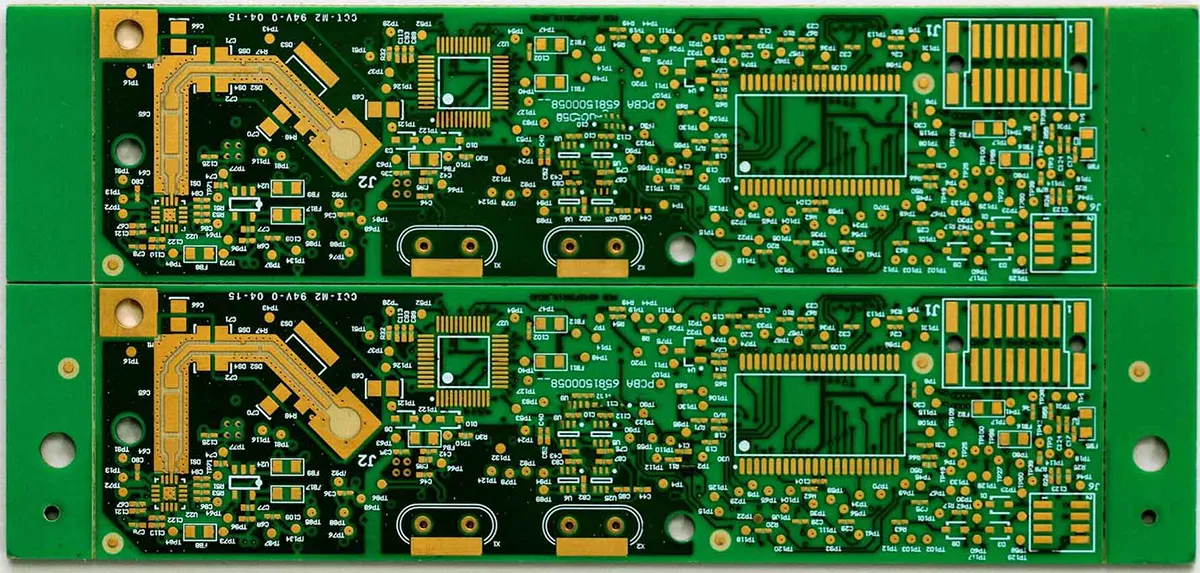
Hybrid PCB is a multilayer printed circuit board with dissimilar material for each layer. This type of PCB is usually developed to optimize electrical performance of the system where PCB will be installed. Using correct combination of substrates leads to improvement in the reliability of a printed circuit board. Different substrate materials with different dielectric, different thermal expansion coefficient, different radio frequency improve the electrical performance of the printed circuit board.
There are various manufacturers of laminates including Rogers, Arlon, Taconic, Nelco Panasonic and ISOLA. We have experience of fabrication of various combinations of laminates to serve wide range of stack-up design of Hybrid boards for customer. At CCI we typically use FR-4 material and PTFE laminates which allows the design engineer to boost high frequency performance while at the same time reduce the footprint of the board and the cost.
Our expertise in custom PCBs, experience, and specialized machines allow us to deliver reliable, high performance hybrid PCBs.
Flex and Rigid Flex PCB
CCI solution for wearable technology
Flex PCBs
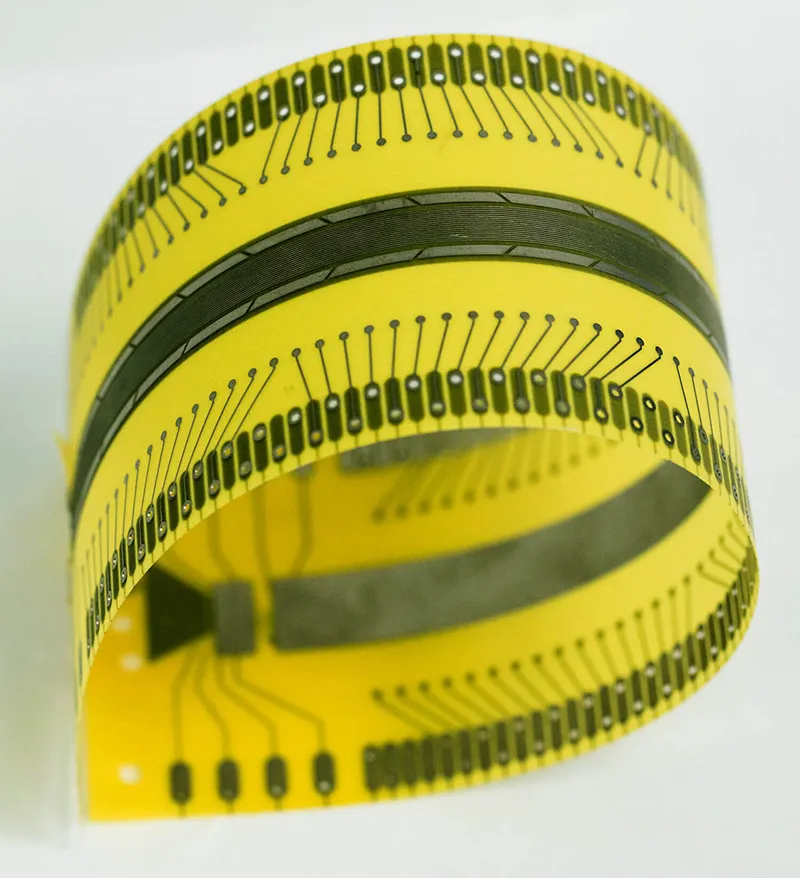
Flexible printed circuit boards are thin flexible boards made with highly ductile materials with high tensile strength. Flexible circuit boards are predominantly used in the consumer electronics – wearable technology segment, mobile phones, medical equipment, and aerospace industry for building components of a large machine or be the backbone of a small device. They can be bent into various shapes according to design and take up small space. Low assembly costs, less components, high reliability, and capability to deal with stress, vibrations make Flex PCB a favourite of engineers across the industries.
Hybrid PCB is a multilayer printed circuit board with dissimilar material for each layer. This type of PCB is usually developed to optimize electrical performance of the system where PCB will be installed. Using correct combination of substrates leads to improvement in the reliability of a printed circuit board. Different substrate materials with different dielectric, different thermal expansion coefficient, different radio frequency improve the electrical performance of the printed circuit board.
There are various manufacturers of laminates including Rogers, Arlon, Taconic, Nelco Panasonic and ISOLA. We have experience of fabrication of various combinations of laminates to serve wide range of stack-up design of Hybrid boards for customer. At CCI we typically use FR-4 material and PTFE laminates which allows the design engineer to boost high frequency performance while at the same time reduce the footprint of the board and the cost.
Our expertise in custom PCBs, experience, and specialized machines allow us to deliver reliable, high performance hybrid PCBs.
Rigid-Flex PCBs
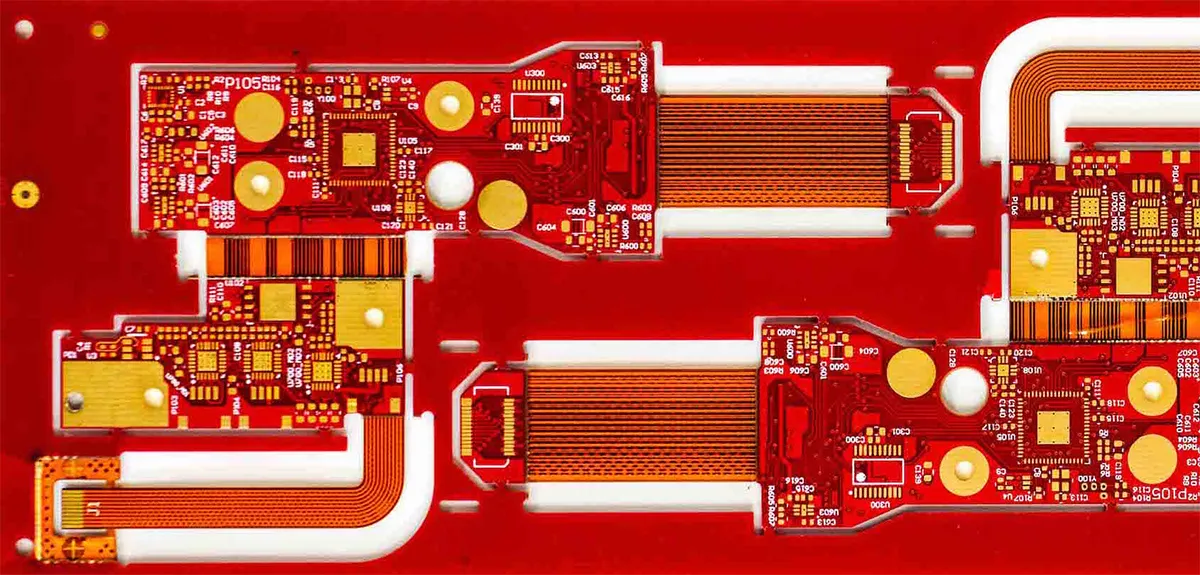
Rigid-flex PCBs are a combination of both rigid and flex printed circuit board technology. This type of circuit board leverages the robustness of rigid PCB and malleability of flexible PCB to produce a printed circuit board that is efficient and light weight. In this unique combination the rigid and flex substrates are laminated together for greater ability to transmit signals at low loss since the design format eliminates connection problems as it does not use connectors.
Each Flex-rigid board has multiple zones of rigid and flex materials based on the design that work in sync to produce one seamless board. The common materials used in manufacturing of rigid-flex boards are FR4 for the rigid part of the PCB and materials like Kapton for the flex part. Usually Rigid part has more layers than the flex.
We manufacture Rigid flex printed circuit boards for a wide range of industries like medical, consumer electronics, defence, lighting, communication to name a few. Our CAD Engineering team works with the customers to build the right stack up for their rigid-flex circuit board. For more information, contact us.
RF and Microwave PCB
CCI manufacturing high frequency printed circuit boards
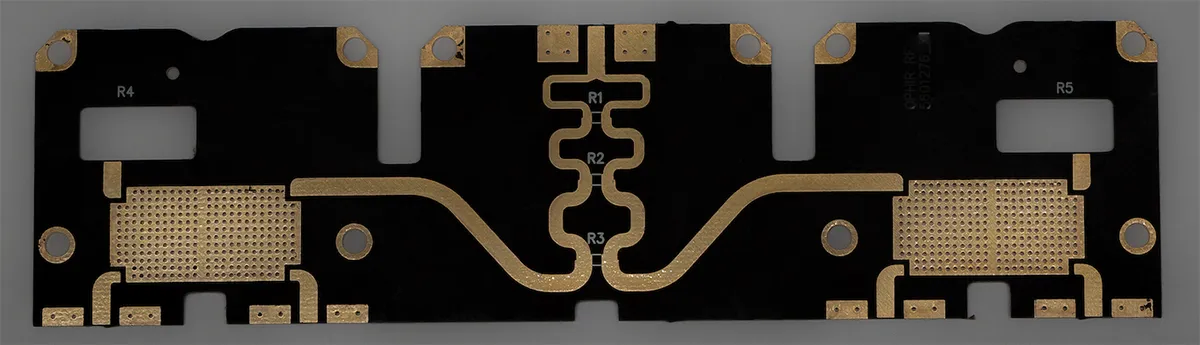
Radio Frequency (RF) boards are designed to operate at much higher frequency than standard boards starting from 100 MHz. The growing IOT market has also pushed the PCB industry to enhance its capabilities to add more circuits on the boards and support more frequency ranges.
CCI Canadian circuits has been at the forefront when it comes to manufacturing RF and Microwave circuit boards. We are always adapting to new technologies and trends in the PCB industry. We have enhanced our capabilities and have developed a special procedure and production line to manufacture high quality RF and Microwave boards with special care.
Our engineering and production teams have extensive experience in manufacturing high frequency circuit boards. We work closely with customers to select appropriate PCB materials for complete design solutions.
While designing your RF boards you should consider critical factors including, noise minimization, impedance matching, reduction of return loss, reduction of cross talk by selecting proper laminates (dissipation factor and dielectric constant) for a low loss board.
Selection of right materials is the most important factor to balance cost vs. performance. Polytetrafluethylene (PTFE), ceramics, hydrocarbon and various class materials including hybrid stack-up (combination of two or more types of laminates) are used to design RF boards.
Our in-house RF and Microwave experts ensure that the factors/requirements like coefficient of thermal expansion (CTE), dielectric constant, thermal coefficient, relative permittivity, and loss tangent are considered at the preliminary stages to meet customer requirements and exceed their expectations.
Heavy Copper PCB
Increases endurance of PCB
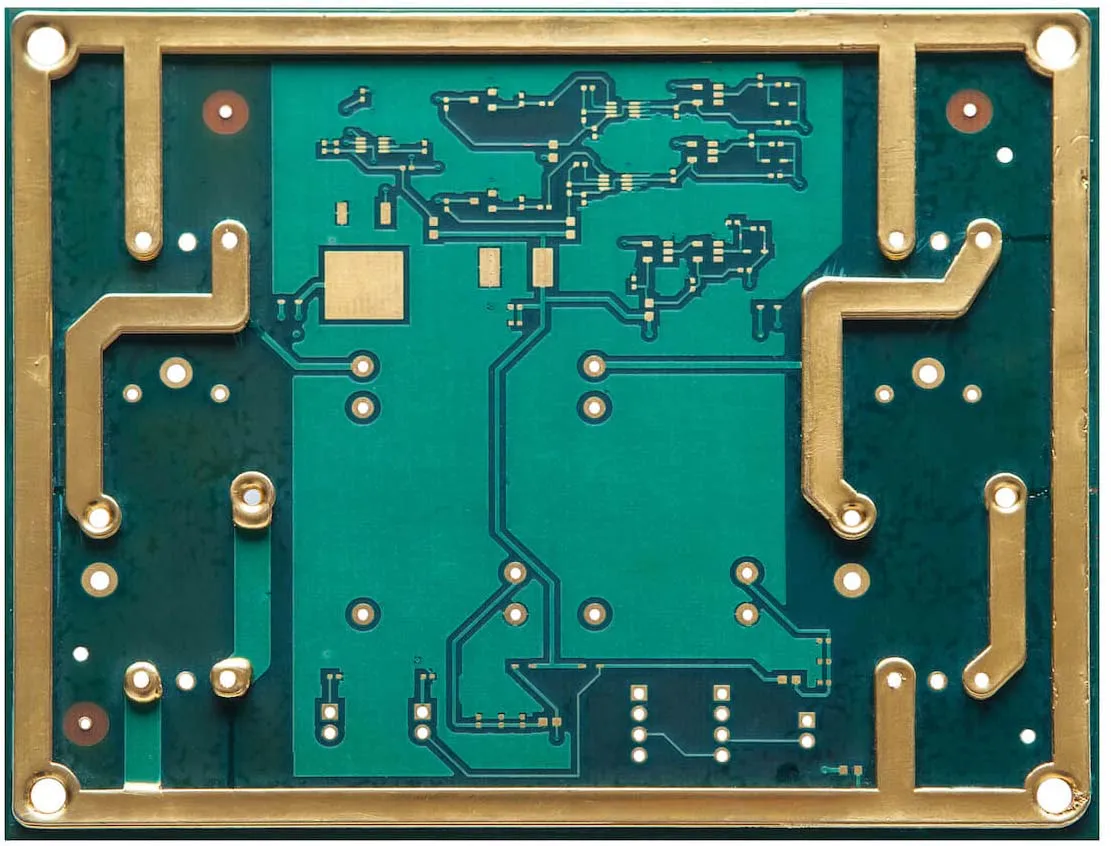
Heavy Copper PCBs are PCBs with 4 or more Oz of copper on each layer. Heavy copper is used in the cases where high thermal endurance is required. These printed circuit boards usually find application where high power transmission is needed such as in military/defence equipment, high power supply equipment – rectifiers, transformers, solar power, wielding and other industrial applications where heat distribution or heat sinking and high current carrying capability of a PCB is critical to the overall operation of the host system.
At CCI Canadian Circuits we have the capability to manufacture circuit boards starting from 1oz to 40+oz of copper for extremely heavy copper requirements. We are able to build differential copper plating on the PCB based on the client’s design. We do have a guideline for the engineers to follow during the design to ensure the trace and space is compensated for heavy copper designs to consider etch back factor in manufacturing.
We have more than two decades of experience in manufacturing PCB which enables us to manufacture high performing heavy copper PCB for you which meet the DFM requirement and have reliable thermal management capabilities. We are continuously working with the PCB experts in the industry to upgrade our knowledge to enhance our capabilities.
Metal Core PCB
Printed Circuit Boards with thermal management
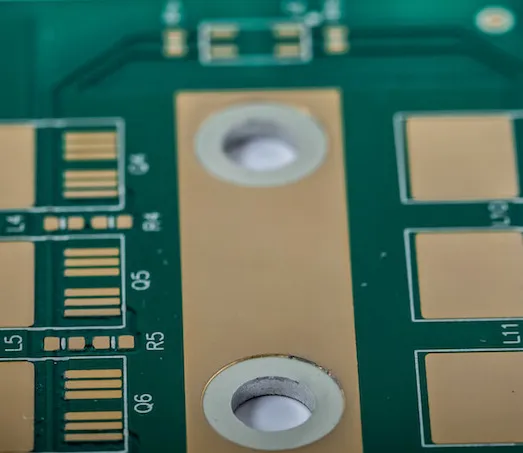
We have been working with customers from industries like automobile, lighting, power conversion and have witnessed the rise of LED based products. With the exponential increase in the LED usage, MCPCB demand has also grown. In fact, it is one of the fastest growing PCB segments. Metal Core Printed Circuit Boards (MCPCB) or a Thermal PCB is a type of PCB that contains a base metal material to redirect heat away from the components.
CCI has been empowering its customers to innovate for the last two decades and we have adopted new technology to manufacture MCPCB with thermal management. MCPCBs are also known as thermal clad PCBs, insulated metal PCBs (IMPCB), insulated metallic substrate (IMS), and metal-clad PCBs.
MCPCB are not the epoxy glass PCB. Aluminum is the most preferred base material for the copper circuit layer and a layer of thermal conductive dielectric. We mostly use Aluminum as a metal core.
Basic Structure of MCPCB manufactured by CCI Canadian Circuits:
- Metal core layer
- Dielectric layer
- Heat Sink
- Copper Layer
- Circuit layer
- Solder Mask
Advantages of Metal Core PCB (MCPCB)
- High thermal Conductivity, lower thermal impedance
- High heat transfer rate, keeps the components cooler
- Ideal for Surface Mounted components
- Soldermask is white – for use in LED
Embedded PCB
CCI Leading the PCB Miniaturization
Demand of Embedded PCB is driven by the miniaturization of electronic devices and increased functions supported by the small devices. Both rigid and flex substrates are used to manufacture embedded PCB.
In embedded PCB the internal layers are used to add more components like resistors or capacitors, rather than surface mounted components. This is done to accommodate more device functions – passive and active on the smallest possible size!
Why use Embedded PCB?
Apart from space available for surface mount devices, embedded components on PCB have plenty of benefits including reduced surface EMI (Electromagnetic Interference), reduced inductive reactance, improved signal integrity of high frequency, high speed circuits, reduced circuits to interconnecting vias and greater reliability as there is no solder joints.
Keeping pace with the rapid adaptation of Embedded PCB, CCI Canadian Circuits has developed special procedures and production processes to fabricate embedded printed circuit boards. CCI has established close ties with various embedded PCB materials suppliers and industry experts to cater special design needs of the customers.
Embedded components are used in all areas of the electronics industries such as telecommunication, medical, defence, aerospace, computer and consumer electronics. Some of the applications include, heater elements, workstations, radar system, cell phone modules.